
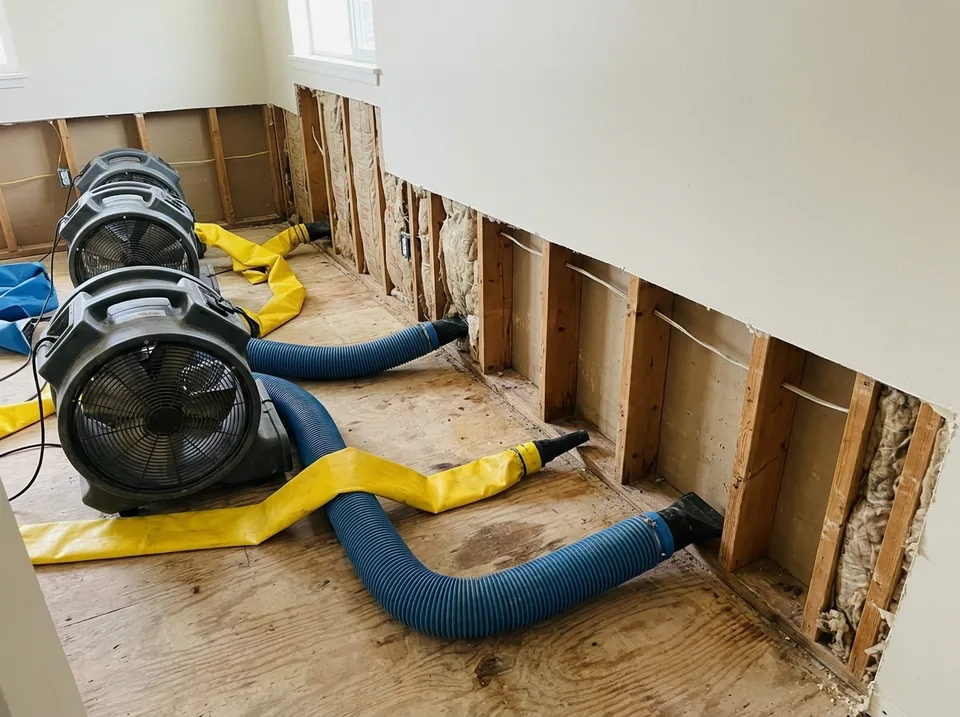
San Jacinto's 105°F+ summer heat drives central AC systems through marathon cooling cycles where valley dust and algae clog condensate drain lines, while mineral-rich regional groundwater accelerates sediment corrosion inside tank water heaters—making these two appliances the leading sources of sudden indoor water damage across San Jacinto homes.
Two Silent Appliance Triggers Behind San Jacinto Water Emergencies
When homeowners think of water damage, they usually picture a dramatic winter rainstorm or a frozen pipe bursting in winter. In the San Jacinto Valley, however, some of the most expensive residential water losses happen on bright, 106°F sunny afternoons in July and August—or quietly inside an attached garage at three in the morning.
Two household systems account for a huge share of calls routed through our San Jacinto water damage restoration referral line: attic-mounted air conditioning condensate systems and aging tank-style water heaters. Understanding exactly why both fail in our local Inland Empire climate—and how to spot early moisture clues—helps homeowners in De Anza, Rose Ranch, Spice Ranch, and Heritage prevent collapsed ceilings and warped hallway flooring.
Part 1: How San Jacinto Summer Heat Causes Attic AC Condensate Overflows
Every central air conditioner removes both heat and moisture from indoor air. As warm air blows across the cold indoor evaporator coil, moisture condenses into liquid water, drips into a primary drain pan beneath the coil, and exits the home through a 3/4-inch PVC condensate line—usually terminating above an exterior window or near the outdoor condenser pad.
In the San Jacinto Valley, surrounding agricultural operations and seasonal valley winds load outdoor and indoor air with fine dust. Over several cooling seasons, fine particulates slip past clogged return filters, coat the damp evaporator coil, and mix with biological slime inside the PVC drain pipe. Two failure chains follow:
- Clogged Primary Drain Line: Once algae and dust plug the primary PVC line, water backs up into the primary pan and spills into the metal secondary emergency pan beneath the attic air handler. If the secondary drain is also blocked—or if the system lacks a working float shutoff switch—water overflows directly onto attic insulation and hallway ceiling drywall.
- Frozen Evaporator Coil Thaw Dump: Restricted airflow from dirty filters or low refrigerant drops the evaporator coil below freezing, coating it in solid ice. When the thermostat cycles off or the system shuts down, pounds of ice melt all at once—overwhelming the drain pan faster than the PVC pipe can carry water away.
Early Warning Signs of an Attic AC Leak
Check for these subtle clues during peak cooling months before a ceiling panel gives way:
- Water dripping steadily from the secondary overflow pipe sticking out of your exterior stucco soffit (usually placed deliberately over a window so you will notice it!).
- Faint yellow or tan halo stains forming around upstairs hallway AC supply vents or recessed light trims.
- Musty, damp cardboard odors drifting down when the attic pull-down ladder is opened.
- Short-cycling AC compressors paired with unusually warm supply air.
If an attic overflow has already soaked ceiling drywall and blown-in insulation, turn off the thermostat immediately and shut off power to any wet ceiling light circuits. Leaving saturated insulation sitting on top of drywall traps moisture against roof trusses and invites rapid mold growth; prompt ceiling and drywall water damage repair and thermal moisture mapping prevent a small stain from becoming a collapsed hallway ceiling.
Part 2: Why Hard Valley Water Shortens Tank Water Heater Lifespans
Most single-family homes in San Jacinto—including established homes in Heritage, hillside lots in Park Hill, and slab homes near Greens of San Jacinto—rely on 40- or 50-gallon gas or electric tank water heaters located in garages, exterior closets, or interior laundry alcoves. Because groundwater in the San Jacinto Basin carries significant dissolved mineral hardness (TDS averaging over 460 mg/L in regional supply wells), calcium and magnesium scale precipitate out of solution every time water is heated.
Over years without flushing, thick mineral sediment blankets the bottom of the steel tank, trapping heat against the metal floor and accelerating internal rust once the sacrificial magnesium anode rod is depleted. When the steel liner finally fails, 40 to 50 gallons of hot water—followed by continuous pressurized cold-water refill from the supply line—floods outward under garage partition walls and straight into adjoining kitchen cabinetry, hallway closets, and living room carpet.
Troubleshooting Table: AC Condensate vs. Water Heater Leaks
| Leak Source | First Shutoff Action | Hidden Moisture Trap | Typical Mitigation Needed |
|---|---|---|---|
| Attic AC condensate overflow | Turn thermostat OFF; switch off wet ceiling circuit | Saturated attic insulation & ceiling joist bays | Ceiling drywall drying + wet insulation removal |
| Garage water heater tank rupture | Close cold-water inlet valve on top of tank; shut gas/power off | Shared drywall partition between garage & kitchen/hall | Water extraction + wall cavity drying |
| Indoor laundry closet water heater | Close main house valve if closet valve is blocked | Under adjacent vinyl plank, tile grout & cabinet toe-kicks | Extraction + LGR structural drying |
| T&P relief valve weeping continuously | Turn off water heater supply; call licensed plumber | Corroded drain pan & damp garage sill plate | Moisture meter check + sill plate dry-out |
Why Garage Water Heater Leaks Still Damage Interior Living Rooms
Homeowners often feel relieved when a water heater fails inside the garage rather than an upstairs closet, assuming concrete garage floors cannot be harmed. Unfortunately, California residential building codes separate attached garages from interior living spaces with fire-rated drywall partition walls sitting directly on the concrete slab. Water pooling against that shared baseplate wicks rapidly through the drywall core and beneath the wooden sill plate—emerging inside your kitchen pantry, hallway closet, or downstairs bedroom carpet on the opposite side of the wall.
Even if the garage floor looks dry after you sweep water out the driveway door, trapped moisture inside that shared partition wall can quietly fuel mold behind kitchen cabinets within 48 hours. Independent technicians use pinless moisture meters along the interior side of the garage wall to confirm whether hidden wicking occurred and whether baseboard detachment or targeted cavity drying is needed.
Preventive Maintenance Checklist for San Jacinto Homeowners
A few simple seasonal checks dramatically cut your risk of both AC and water heater water emergencies:
- Install an attic float shutoff switch (SS2/pan switch): If your attic air handler lacks an electronic float switch that automatically kills AC power when the condensate pan fills, ask an HVAC technician to install one before summer hits.
- Flush your AC condensate line every spring: Pouring a cup of distilled white vinegar into the PVC cleanout tee (or having the line vacuum-cleared during a spring tune-up) stops algae clogs before July's 105°F heat arrives.
- Change HVAC air filters every 30 to 60 days during windy/dusty months: Clean airflow keeps evaporator coils from freezing and melting over the pan.
- Check your water heater's age and pan drain: Look at the serial number date on the tank label. If a tank water heater is over 10 years old, inspect the bottom rim for rust streaks and make sure the catch pan drain line actually slopes downward to the exterior.
- Place battery-powered water leak alarms under both units: Inexpensive $15 audible or Wi-Fi leak pucks placed inside the water heater pan and attic secondary pan alert you at the first quarter-inch of water instead of after 100 gallons have soaked your drywall.
If an attic AC drain or garage water heater has already leaked in your home, follow our first 24 hours checklist, check ballpark drying ranges on our San Jacinto cost calculator, or call (951) 555-0194 24/7 to connect directly with an independent local water damage restoration crew.
Frequently Asked Questions
When San Jacinto afternoon temperatures exceed 105°F, central air conditioners run long daily cycles while pulling valley agricultural dust into coils and drain lines. Algae and dust clog the primary PVC condensate drain, causing the attic pan to overflow onto ceiling drywall below.
Standard residential tank water heaters commonly last 8 to 12 years, though elevated mineral hardness in San Jacinto Valley groundwater can shorten tank life if anode rods and bottom sediment are never serviced.
Because AC drain pans sit in dusty attics and accumulate biofilm and algae inside drain lines, restoration standards often evaluate condensate overflows as Category 2 gray water—especially once water passes through attic insulation and drywall.
Need an Independent Local Crew in San Jacinto?
Call (951) 555-0194 any time to connect with an independent water mitigation specialist serving San Jacinto, CA.